
Article: What Is a Shruti Box? A Guide to Its Sound, Uses & How It Works
What Is a Shruti Box? A Guide to Its Sound, Uses & How It Works
A Shruti Box is a traditional Indian drone instrument that uses bellows and metal reeds to produce continuous, sustained notes. It is commonly used to accompany singing, mantra, meditation, yoga, sound practices and other musical instruments.
Unlike a harmonium, a Shruti Box isn't designed primarily for playing melodies. Instead, it creates a steady tonal foundation, known as a drone, over which you can sing, chant or play another instrument.
Simple to operate and requiring little musical experience to get started, Shruti Boxes are used today by singers, musicians, yoga teachers, meditation practitioners and sound facilitators around the world.
At Son of Drum in Mullumbimby, Australia, we specialise in musical instruments from around the world and stock a selection of Shruti Boxes handmade in India.
Quick answer: What is a Shruti Box?
A Shruti Box is a bellows-operated, free-reed Indian instrument used to create a continuous musical drone.
You select one or more notes by opening the corresponding stops on the front of the instrument. Pumping the bellows pushes air across the internal reeds, creating a sustained tone.
Instrument type: Free-reed drone instrument
Origin: India
Sound: Sustained, continuous drone
Played using: Bellows and individual note stops
Common uses: Singing, mantra, meditation, yoga, kirtan, sound practices and instrumental accompaniment
Beginner-friendly: Yes
Melodic instrument: Primarily no, its main purpose is creating a drone
 How does a Shruti Box work?
A Shruti Box produces sound by moving air across metal reeds inside a wooden chamber.
The player first opens one or more of the note stops on the front of the instrument. The bellows at the back are then gently pumped by hand.
As air moves through the selected reeds, they vibrate and produce a sustained note.
Opening a single stop creates a simple drone. Opening several compatible notes simultaneously creates a fuller sound or droning chord.
The player controls the continuity and character of the sound through the movement and pressure of the bellows. With a little practice, the pumping movement becomes smooth enough to maintain an almost uninterrupted drone.
What does a Shruti Box sound like?
A Shruti Box produces a steady, resonant drone rather than a melody or rhythm.
Its sound can vary depending on the instrument's reeds, construction, tuning and the combination of notes selected. Some Shruti Boxes have a warmer, softer tone, while others have brighter or more pronounced reeds.
For example, the Shramya Musical Shruti Boxes we stock at Son of Drum have slightly brighter-sounding reeds and work particularly well when two or more reed stops are opened together to produce a slow droning chord.
The continuous nature of the sound is what makes the instrument particularly useful beneath voices and other instruments.
Check out our video demo with Luke Julians on our Youtube channel

What is a Shruti Box used for?
Shruti Boxes can be used in both musical and contemplative settings. Some of their most common uses include:
Singing and vocal practice
A Shruti Box can provide singers with a consistent reference pitch.
Once you choose a note that suits your vocal range, the drone remains underneath your voice while you practise melodies, pitch, vocal exercises or improvisation.
This makes Shruti Boxes particularly useful for:
- Vocal practice
- Mantra and chanting
- Kirtan
- Intuitive singing
- Vocal toning
- Group singing
- Improvisation
Because you aren't continually changing chords or accompaniment patterns, you can concentrate more closely on your voice, pitch and breath.
Meditation
A Shruti Box can also be used to provide a continuous sound during meditation.
A single sustained drone gives the listener a consistent sound to return their attention to and can be combined with breathwork, mantra, vocal toning or periods of silence.
Rather than needing to perform a piece of music, the player can simply maintain one note or a small combination of notes.
Yoga
Yoga teachers sometimes incorporate Shruti Boxes into classes to accompany mantra, breathwork, meditation or quieter sections of a practice.
The instrument is particularly practical in this setting because you don't need advanced musical training to create a sustained accompaniment.
Sound practices
Shruti Boxes are also used by sound practitioners and can be layered with other acoustic instruments.
The drone can sit underneath singing bowls, chimes, bells, flutes, voice and other instruments, creating a continuous tonal foundation while other sounds change around it.
Musical accompaniment
Although the Shruti Box is simple, it can be paired with many instruments.
It works particularly well alongside:
- Bansuri and other flutes
- Voice
- Singing bowls
- Handpans
- Harmoniums
- Acoustic string instruments
- Bells and chimes
The important consideration is choosing a drone note that works with the key or tonal centre of the music you're playing.
Is a Shruti Box easy to play for beginners?
Yes. A Shruti Box is relatively easy for a beginner to start playing because it doesn't require you to learn chords, melodies or complicated fingering.
To play a basic drone:
- Choose the note you want.
- Open the corresponding stop.
- Gently pump the bellows.
- Maintain a consistent movement to sustain the sound.
Once you're comfortable with one note, you can experiment with opening two or more stops and listening to how the notes interact.
Learning to operate the instrument is straightforward. Developing control over the bellows, choosing complementary notes and using the drone musically comes with practice.

Shruti Box vs Harmonium: what's the difference?
The biggest difference between a Shruti Box and a harmonium is that a Shruti Box primarily creates sustained drones, while a harmonium can play melodies and chords using a keyboard.
Both instruments use reeds and bellows, but they serve different musical purposes.
A Shruti Box has individual note stops. You open the notes you want and pump the bellows to sustain them. It is simple to operate and particularly suited to drone accompaniment.
A harmonium has piano-style keys. The musician operates the bellows while using the keyboard to play notes, melodies and chords.
For singers, yoga teachers or meditation practitioners who mainly want a continuous tonal foundation, a Shruti Box can be the simpler option.
For musicians who want to play melodies, chords and more complex accompaniment, a harmonium offers greater musical flexibility.
Do you need musical experience to play a Shruti Box?
No. You don't need previous musical experience to begin playing a Shruti Box.
You can create your first sustained note almost immediately by opening a stop and operating the bellows.
Some basic understanding of pitch, keys and intervals becomes helpful when you want to accompany a singer or another instrument, but it isn't necessary to start exploring the instrument.
This accessibility is one reason Shruti Boxes are popular with people who don't necessarily consider themselves musicians.
Can you sing while playing a Shruti Box?
Yes. Accompanying the voice is one of the primary uses of a Shruti Box.
Once you have selected an appropriate drone note, you can operate the bellows with one hand while singing.
The sustained note gives your voice a stable tonal reference without requiring you to simultaneously play a complicated accompaniment.
This makes Shruti Boxes particularly suitable for mantra, kirtan, vocal exercises, chanting and improvisation.
What notes can a Shruti Box play?
The available notes depend on the individual Shruti Box.
Many models offer a chromatic octave, allowing you to select individual natural and sharp notes.
For example, Son of Drum's National Music India Shruti Boxes include 13 chromatic notes across one octave, from C3 to C4 on the standard configuration, with C, C#, D, D#, E, F, F#, G, G#, A, A#, B and C.
Different models and sizes may have different ranges, so it's worth checking the specifications before choosing an instrument.
What is a 432Hz Shruti Box?
You may come across Shruti Boxes described as 432Hz models.
This refers to the instrument's tuning reference. Standard modern concert pitch commonly uses A=440Hz, while a 432Hz Shruti Box is tuned using A=432Hz as its reference.
If you're using the Shruti Box with other instruments, it's important to choose compatible tuning. A 432Hz Shruti Box paired with instruments tuned to standard A=440Hz will not be perfectly in tune.
For this reason, your choice between 432Hz and standard tuning should consider the other instruments or recordings you intend to play alongside.
What should you look for when buying a Shruti Box?
When choosing your first Shruti Box, consider tuning, note range, reed quality, bellows, construction, size and tone.
1. Tuning
Consider whether you need standard tuning or 432Hz, particularly if you'll be playing with other instruments.
2. Note range
Check which notes are available and whether the range suits your voice or the instruments you'll accompany.
3. Reed quality
The reeds have a significant influence on the instrument's sound, sustain and response.
4. Bellows
Well-sealed bellows help maintain airflow and produce a longer, more consistent drone.
5. Construction
A well-built wooden body and reliable mechanical components are important if the instrument will be played regularly or transported between classes and performances.
6. Tone
Different Shruti Boxes can have noticeably different tonal characteristics. Some people prefer a warmer drone, while others prefer a brighter, more present sound.
Where possible, listening to a sound demonstration can help you decide which instrument suits you.
Which Shruti Box is best for beginners?
There isn't one Shruti Box that will be right for every beginner.
For most first-time buyers, we'd suggest looking for an instrument that is easy to pump, well sealed, reliably tuned and offers the notes you'll actually use.
At Son of Drum, we stock several Shruti Box options from Indian makers, allowing you to compare different sizes, tunings and tonal characteristics.
Our National Music India Shruti Boxes, for example, are handmade from seasoned teakwood and use precision-tuned brass reeds. Their multi-fold bellows are designed for easy pumping and long sustain, and standard models offer 13 chromatic notes from C3–C4.
The Shramya Musical Shruti Boxes offer a slightly brighter reed sound and are particularly effective when multiple stops are opened to create droning chords.
The right choice therefore depends on your voice, intended use, preferred tone and whether you'll be playing alongside other instruments.
Where can you buy a Shruti Box in Australia?
Son of Drum stocks Shruti Boxes in Australia from a selection of Indian instrument makers, including National Music India, Shramya Musical and other specialist manufacturers.
Based in Mullumbimby in the Northern Rivers of NSW, Son of Drum specialises in musical instruments from around the world, including a dedicated Sounds of India collection.
You can explore our Shruti Boxes online or visit us in Mullumbimby if you'd like to experience our instruments in person.

Frequently Asked Questions About Shruti Boxes
Is a Shruti Box the same as a harmonium?
No. Both use bellows and reeds, but a harmonium has a keyboard and can play melodies and chords. A Shruti Box primarily creates sustained drone notes.
Can beginners play a Shruti Box?
Yes. Shruti Boxes are relatively easy to begin playing and don't require previous musical training.
Can I use a Shruti Box for meditation?
Yes. Shruti Boxes are commonly used to provide sustained sound during meditation, mantra, vocal toning and other contemplative practices.
Can I use a Shruti Box for yoga?
Yes. Yoga teachers may use Shruti Boxes for mantra, chanting, meditation, breathwork or to provide a continuous tonal backdrop during parts of a class.
Can you play chords on a Shruti Box?
You can open several compatible reed stops simultaneously to create a fuller drone or simple droning chord. A Shruti Box isn't designed for changing chords in the same way as a keyboard instrument.
What is the difference between a 432Hz and 440Hz Shruti Box?
The difference is the tuning reference. A 432Hz model uses A=432Hz, while standard concert tuning commonly uses A=440Hz. If you're playing with other instruments, matching their tuning is important.
What instruments work well with a Shruti Box?
Shruti Boxes can accompany voice, Bansuri and other flutes, singing bowls, handpans, harmoniums and many other acoustic instruments.
Where are Shruti Boxes made?
Shruti Boxes originated in India, and many instruments available today are still handcrafted by specialist Indian musical instrument makers.
Explore Shruti Boxes at Son of Drum
A Shruti Box is a simple instrument with a surprisingly wide range of uses. Its continuous drone can provide a tonal foundation for singing, mantra, meditation, yoga, sound practices and instrumental music, without requiring advanced musical experience.
At Son of Drum, we've spent years exploring instruments from different musical traditions and sourcing instruments for musicians, teachers, practitioners and curious beginners across Australia.
Our Sounds of India collection includes Shruti Boxes alongside harmoniums, Bansuri flutes and other traditional Indian instruments.
Read more
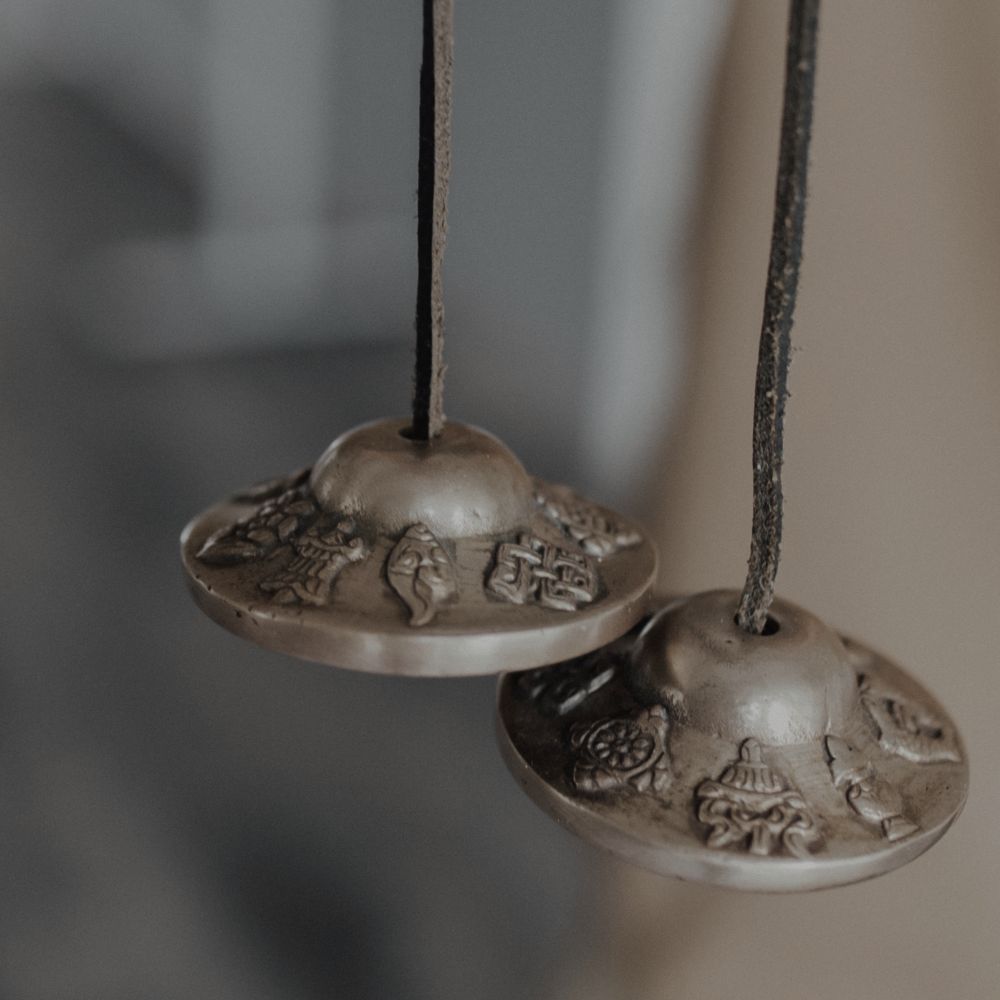
The Best Chimes & Bells for Sound Healers, Yoga Teachers, and Breathwork Facilitators
If you work in sound healing, yoga, or breathwork, you already know that the instruments you choose are not just tools, they are an extension of your practice. The right chime or bell can open a se...
Read more