How Indian Musical Instruments Are Used in Meditation: Understanding Nada Yoga and the Power of Sound
Meditation has been intertwined with music and sound in India for thousands of years. Through the ancient practice of Nada Yoga - the Yoga of Sound - musical instruments become more than tools for making music; they become pathways to mindfulness, inner awareness and deep relaxation. Whether you're practising yoga, meditation or sound healing, traditional Indian instruments can help create a calming environment that supports focus and presence.
What is Nada Yoga?
 Nada Yoga, often called the Yoga of Sound, is an ancient spiritual practice originating in India. The Sanskrit word Nada means "sound" or "vibration," while Yoga means "union."
Rather than focusing solely on physical movement, Nada Yoga teaches that sound is a bridge between the body, mind and consciousness.
Practitioners use:
- Vocal chanting
- Sacred mantras
- Breath
- Silence
- Musical instruments
to cultivate awareness and deepen meditation.
Unlike many meditation techniques that encourage removing distractions, Nada Yoga encourages practitioners to fully immerse themselves in sound, allowing vibration to become the object of meditation.
Which Indian Musical Instruments Are Used for Meditation?
While India is home to hundreds of traditional instruments, a handful have become favourites for meditation and contemplative practices.
1. Shruti Box – The Foundation of Nada Yoga
 One of the most recognisable instruments used in meditation is the Shruti Box.
Unlike a harmonium, a Shruti Box produces a continuous drone that creates a stable sonic foundation for meditation, chanting and breathwork.
Many yoga teachers use one to accompany:
- Mantra chanting
- Om meditation
- Yoga classes
- Vocal toning
- Kirtan
The Shramaya Shruti Box offers beautifully sustained tones with simple operation, making it suitable for both beginners and experienced practitioners. Its portable design makes it an excellent companion for yoga studios, meditation groups or home practice.
Best for:
- Meditation
- Yoga
- Mantra practice
- Breathwork
- Vocal training
2. Bansuri Flute – The Sound of Breath
 The Bansuri is one of India's oldest bamboo flutes and has long been associated with peace, devotion and nature.
Because the sound is created directly through the player's breath, the Bansuri naturally encourages mindful breathing—one of the core foundations of meditation.
Its warm, flowing melodies make it ideal for:
- Solo meditation
- Relaxation
- Mindful breathing exercises
- Yoga classes
- Personal reflection
For beginners, slower improvisation on a Bansuri can become a meditation in itself.
3. Indian Singing Bowls – Creating Vibrational Stillness
Indian Singing Bowls produce rich harmonic overtones that continue resonating long after they are struck.
Rather than playing melodies, these bowls create sustained vibrations that encourage listeners to slow down and become present.
Many meditation practitioners use singing bowls to:
- Begin a meditation session
- Mark transitions
- Create moments of silence
- Encourage mindfulness
- Support sound healing practices
The beautiful resonance of an Indian Singing Bowl makes it one of the most accessible instruments for beginners.
4. Udu Drums – Meditation Through Rhythm

Meditation doesn't always have to be silent.
For many people, gentle rhythm creates an equally powerful meditative experience.
The Udu Drum, originally crafted from clay, produces warm bass tones and soft percussive sounds that naturally invite slower, repetitive playing.
Its earthy voice makes it ideal for:
- Grounding exercises
- Breath synchronisation
- Sound journeys
- Group meditation
- Improvised rhythm circles
Unlike louder percussion instruments, the Udu Drum creates an intimate and calming atmosphere.
5. Sela Harmony Bells – Gentle Tones for Mindfulness

The Sela Harmony Bell produces delicate, shimmering tones that linger beautifully in the air.
These soft resonances make it an excellent tool for:
- Opening meditation sessions
- Closing yoga classes
- Breath awareness
- Mindfulness practices
- Sound baths
Because each strike creates a clear beginning followed by a long natural decay, Harmony Bells encourage practitioners to fully listen until the sound disappears—a classic mindfulness exercise.
How Do These Instruments Compare?
|
Instrument |
Primary Sound |
Best For |
Beginner Friendly |
|
Shramaya Shruti Box |
Continuous drone |
Yoga, chanting, meditation |
⭐⭐⭐⭐⭐ |
|
Bansuri Flute |
Breath-driven melody |
Breathwork, mindfulness |
⭐⭐⭐⭐☆ |
|
Indian Singing Bowl |
Resonance & vibration |
Sound healing, meditation |
⭐⭐⭐⭐⭐ |
|
Udu Drum |
Gentle rhythm |
Grounding, rhythm meditation |
⭐⭐⭐⭐☆ |
|
Sela Harmony Bell |
Clear resonant tones |
Mindfulness, yoga classes |
⭐⭐⭐⭐⭐ |
Can Beginners Practise Nada Yoga?
Absolutely.
One of the beautiful aspects of Nada Yoga is that musical experience isn't necessary.
You don't need to perform songs or master complicated techniques.
Instead, focus on:
- Listening deeply
- Breathing slowly
- Repeating simple sounds
- Allowing vibration to become your point of attention
Even striking a Singing Bowl once or holding a single Shruti Box drone can become a complete meditation practice.
Frequently Asked Questions
What is Nada Yoga?
Nada Yoga is an ancient Indian practice that uses sound, vibration and deep listening as a form of meditation. It may include chanting, musical instruments, breathwork and mindful listening.
Which Indian instrument is best for meditation?
A Shruti Box and an Indian Singing Bowl are among the easiest instruments for beginners, as they produce sustained, calming tones that support meditation without requiring musical training.
Is a Bansuri flute difficult to learn?
The Bansuri is beginner-friendly with regular practice. Since the instrument relies on breath control, many people find learning it naturally complements meditation and mindfulness.
Why are drones used during meditation?
Continuous drone sounds help reduce mental distractions by providing a stable point of focus, making it easier to maintain concentration during meditation.
Can rhythm be used for meditation?
Yes. Instruments like the Udu Drum create slow, repetitive rhythms that promote grounding, relaxation and mindful awareness.
Do I need musical experience to practise Nada Yoga?
No. Nada Yoga is centred on listening and experiencing vibration rather than musical performance. Anyone can begin using simple instruments such as a Singing Bowl or Shruti Box.
Which instrument should I buy first?
If your goal is meditation or yoga, many beginners start with either a Shramaya Shruti Box or an Indian Singing Bowl. If you'd like to explore melody, a Bansuri Flute is an excellent next step.
Read more
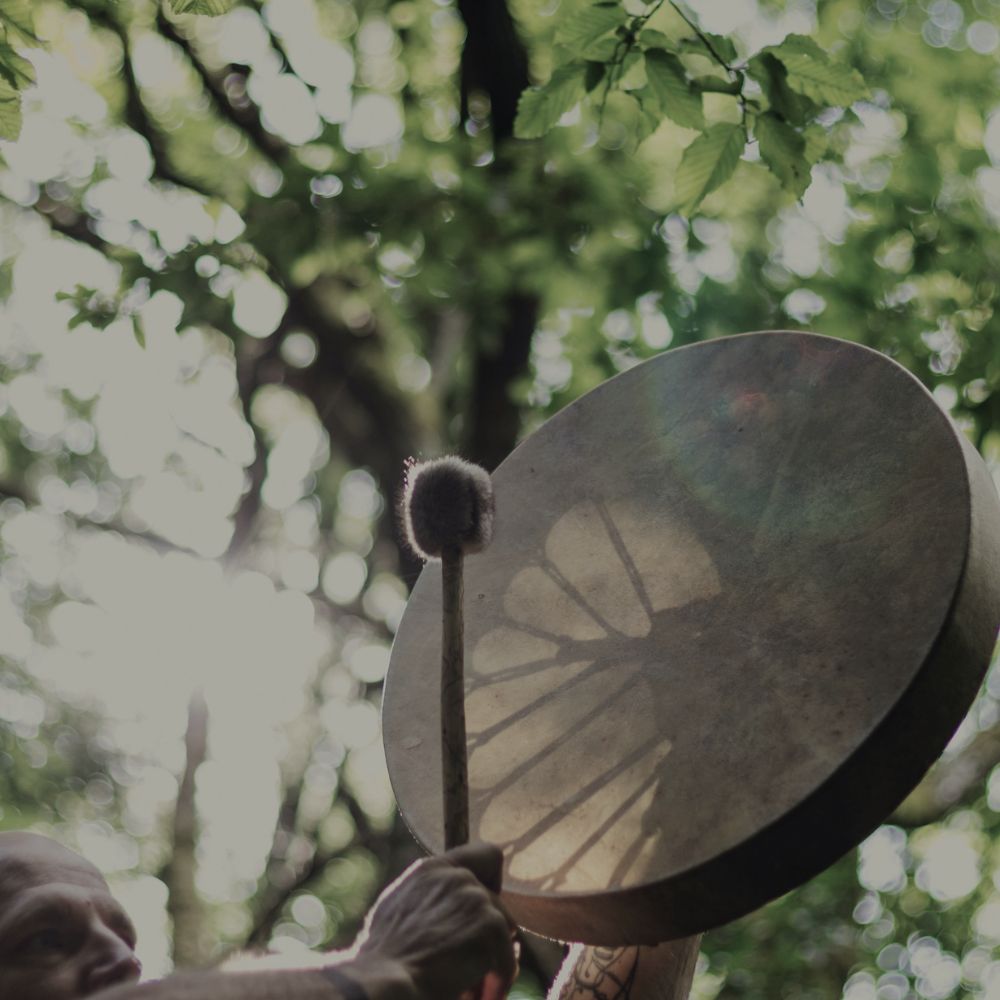
How to Choose the Right Shamanic Drum for Your Practice
The sound of a shamanic drum is often described as the heartbeat of the earth: Grounding, meditative, and deeply connecting. Whether you are beginning your sound healing journey, expanding your cer...
Read more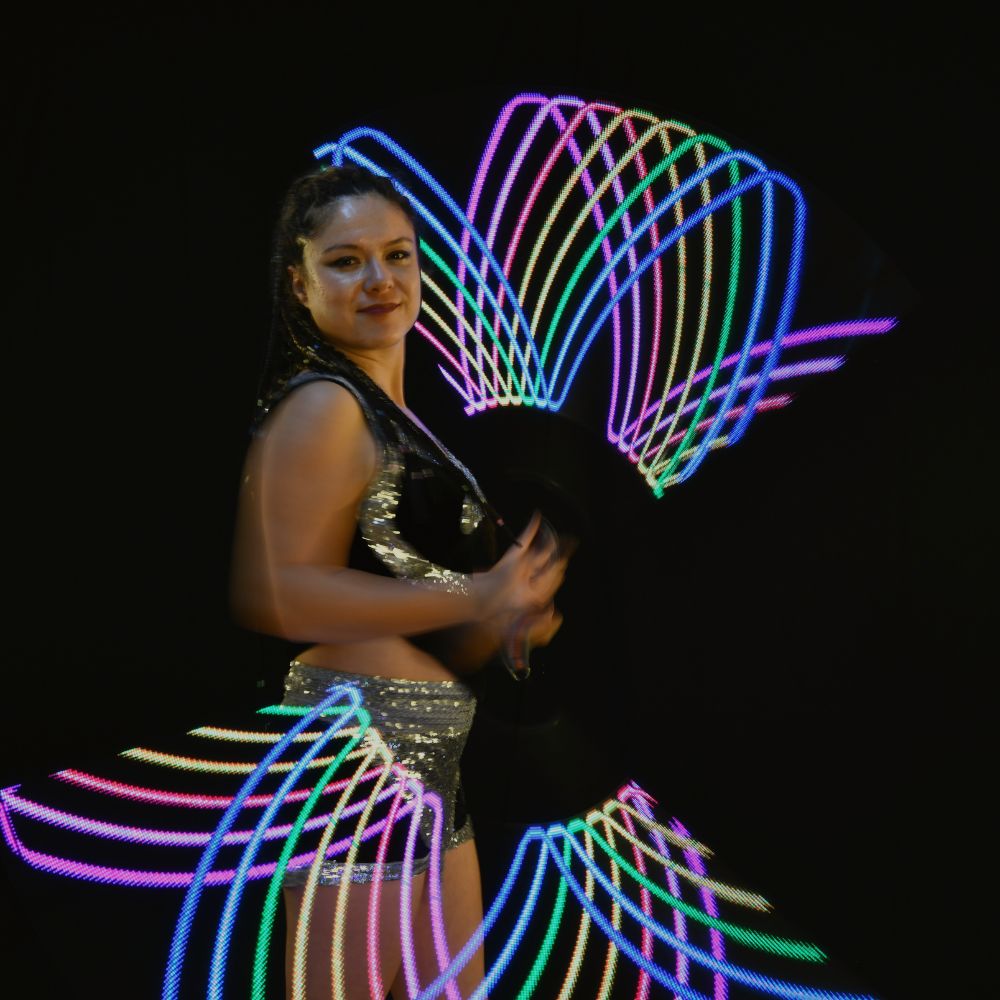
How to Choose Your First Circus Flow Toy: A Beginner's Guide to Flow Arts
Whether you've seen someone spinning glowing poi at a festival, juggling effortlessly in the park, or performing incredible diabolo tricks, you've probably wondered, "Where do I start?" The world o...
Read more